

 State Wetland Authority, Delhi



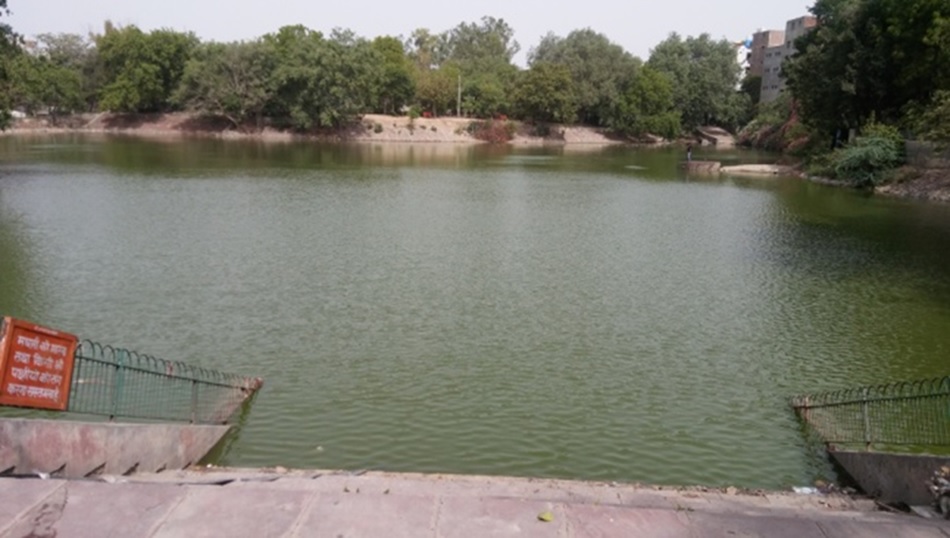
Wetlands are defined as ‘lands transitional between terrestrial and aquatic eco-systems’ where the water table is usually at or near the surface or the land is covered by shallow water (Mitsch and Gooselink,1986). Wetlands are neither truly aquatic nor terrestrial. They are usually low-lying areas which contain water all year-round or temporarily and support aquatic vegetation (hydrophytes), reeds, and a wide range of waterfowl and associated biodiversity. Ramsar Convention on Wetlands is an international treaty signed in 1971 for national action andinternational cooperation for the conservation and wise use of wetlands and their resources, under the Convention (Article 1.1) defines wetlands as “areasof marsh, fen, peatland or water, whether natural orartificial, permanent or temporary, with water that isstatic or flowing, fresh, brackish or salt, includingareas of marine water the depth of which at low tidedoes not exceed six metres”.As per Ramsar Convention on Wetlands, generally five major types of wetlands are recognised:
- Marine (coastal wetlands including coastal lagoons, rocky shores, and coral reefs);
- Estuarine (including deltas, tidal marshes, and mangrove swamps);
- Lacustrine (wetlands associated with lakes);
- Riverine (wetlands along rivers and streams); and
- Palustrine (meaning “marshy” - marshes, swamps and bogs).
The umbrella legislation of India which is Wetlands (Conservation and Management) Rules, 2017 defines wetland as “an area of marsh, fen, peatland or water;whether natural or artificial, permanent ortemporary, with water that is static or flowing, fresh,brackish or salt, including areas of marine water thedepth of which at low tide does not exceed six meters,but does not include river channels, paddy fields,human-made water bodies/tanks specificallyconstructed for drinking water purposes andstructures specifically constructed for aquaculture,salt production, recreation and irrigation purposes”